

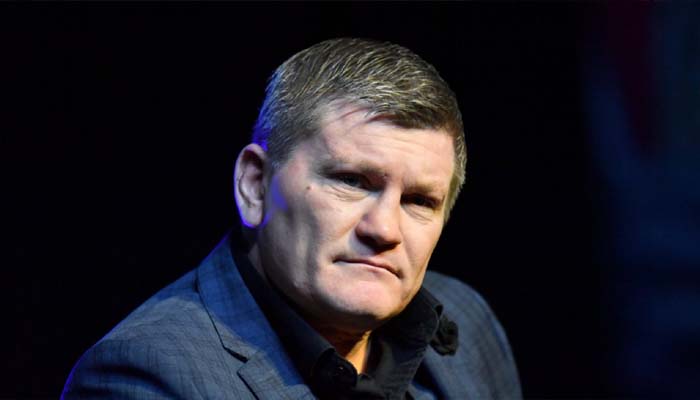
The Ricky Hatton cause of death was confirmed during official inquest proceedings following the former boxing champion’s death on 14 September 2025. The inquest found that Hatton died from hanging. However, in March 2026, the coroner ruled that there was insufficient evidence to determine that he intended to take his own life, resulting in a narrative verdict rather than a suicide verdict.
Fast Facts About Ricky Hatton
| Detail | Information |
| Full Name | Richard John Hatton |
| Nickname | The Hitman |
| Date of Birth | 6 October 1978 |
| Place of Birth | Stockport, England |
| Date of Death | 14 September 2025 |
| Age at Death | 46 |
| Nationality | British |
| Profession | Professional Boxer |
| Boxing Record | 45 Wins, 3 Losses |
| Major Titles | Light-Welterweight and Welterweight World Champion |
| Hall of Fame | International Boxing Hall of Fame |
What Did the Official Inquest Reveal?
Following Ricky Hatton’s death, authorities launched an investigation to establish the circumstances surrounding the tragedy. Early reports stated that his death was not being treated as suspicious.
When the inquest opened, medical evidence showed that Hatton had died from hanging. However, coroners must determine not only how a person died but also whether there is sufficient evidence regarding intent.
After reviewing witness statements, medical records, and expert testimony, the coroner concluded that it could not be established beyond reasonable doubt that Hatton intended to end his life. Because of this uncertainty, a narrative verdict was recorded.
This distinction is important because a narrative verdict explains the circumstances of death without assigning a formal conclusion such as suicide.
His Well-Known Mental Health Struggles
Ricky Hatton was open about his battles with mental health after retiring from professional boxing. Throughout the years, he discussed periods of depression, alcohol misuse, and substance abuse.
The challenges became particularly difficult following the end of his boxing career. Like many elite athletes, Hatton struggled with the transition away from competition and the loss of a structured sporting lifestyle.
Rather than hiding these issues, he spoke publicly about them and encouraged others to seek support when facing mental health difficulties. His honesty helped raise awareness among sports fans and the wider public.
Hatton later became involved in mental health advocacy and supported campaigns aimed at helping people experiencing depression and emotional struggles.
Medical Findings and Additional Details
The inquest also examined Hatton’s medical condition at the time of his death.
Reports indicated that alcohol was present in his system. However, there was no evidence of recent cocaine or cannabis use. Medical experts also identified signs of mild Chronic Traumatic Encephalopathy (CTE).
CTE is a brain condition associated with repeated head impacts and has been studied in athletes involved in contact sports, including boxing. While the condition was noted during the examination, experts did not identify it as the direct cause of death.
The findings added further context to the investigation but did not change the final verdict issued by the coroner.
Remembering His Boxing Legacy
While discussions about the Ricky Hatton cause of death continue to attract public attention, many fans remember him primarily for his remarkable boxing achievements.
Hatton became one of Britain’s most popular fighters during the 2000s. Known for his aggressive style, resilience, and loyal fan base, he captured multiple world titles and defeated several top-ranked opponents throughout his career.
Some of his most memorable victories came against fighters such as Kostya Tszyu and Jose Luis Castillo. Although he faced defeats against elite opponents including Floyd Mayweather Jr. and Manny Pacquiao, his reputation as one of Britain’s greatest modern boxers remained intact.
His induction into the International Boxing Hall of Fame further cemented his place in boxing history.
Why His Death Drew Widespread Attention
The news of Hatton’s death resonated across the sporting world because of both his popularity and his openness about personal struggles.
Fans admired him not only for his success inside the ring but also for his willingness to discuss difficult topics such as depression and addiction. Many tributes highlighted his courage in sharing those experiences publicly.
His passing also renewed conversations about athlete wellbeing, mental health support, and the long-term effects of professional combat sports.
Conclusion
The Ricky Hatton cause of death was determined to be hanging, according to official inquest findings. However, the coroner concluded that there was insufficient evidence to prove intent, leading to a narrative verdict rather than a suicide ruling. Beyond the circumstances of his death, Hatton is remembered as a world champion boxer, mental health advocate, and one of Britain’s most beloved sporting figures. Read About more Best Pollo al Chilindron Near Me
FAQs
What was Ricky Hatton’s cause of death?
The official inquest found that Ricky Hatton died from hanging in September 2025.
Did the coroner rule Ricky Hatton’s death a suicide?
No. The coroner stated there was insufficient evidence to confirm intent and therefore recorded a narrative verdict.
How old was Ricky Hatton when he died?
Ricky Hatton was 46 years old at the time of his death.
What was Ricky Hatton famous for?
He was a former world boxing champion and one of Britain’s most successful and popular professional boxers.
